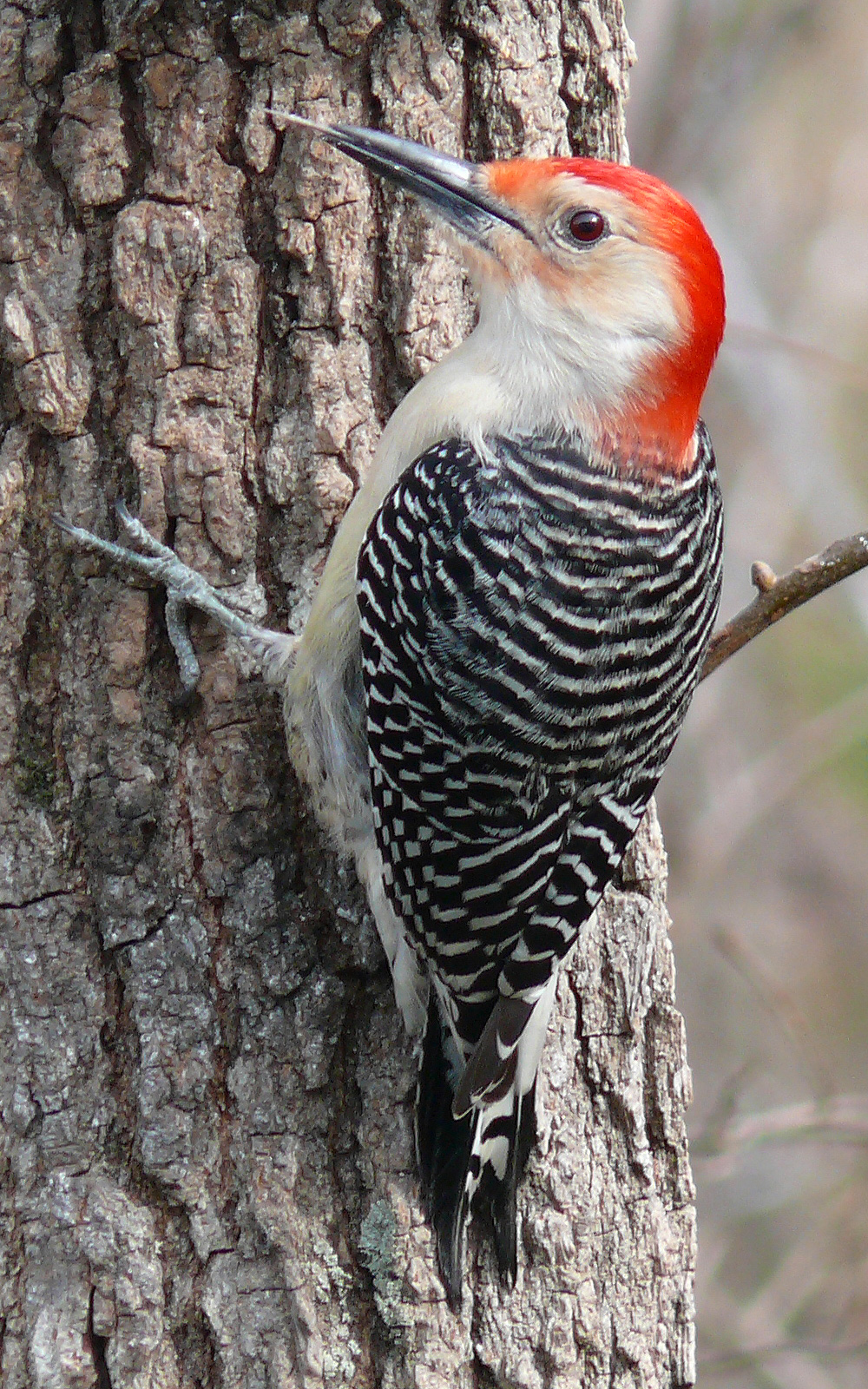
@diego_dawnchorus Coffee on the porch and then this. Red-winged Blackbird. Males are glossy black with red-and-yellow shoulder patches; females are streaky brown.
@omarbirdsbk Could not believe my luck this morning. Barn Swallow. Glossy blue above, rusty below, with a deeply forked tail; flies low over fields and water.
@priyaspots Stopped me in my tracks. Downy Woodpecker. Small black-and-white woodpecker with a short bill; males have a red patch on the back of the head.
@diego_dawnchorus Could not believe my luck this morning. Mallard. Males have a glossy green head and white neck ring; females are mottled brown with an orange bill.
@priyaspots Finally got a clear look. Northern Cardinal. Crested; males are bright red with a black face, females tan with red tinges and a red-orange bill.
@jonah_lookup New one for my life list! Eastern Bluebird. Bright blue back with a rusty-orange breast; perches on wires and fence posts in open country.
@ana.wingwatch First one of the season! Eastern Bluebird. Bright blue back with a rusty-orange breast; perches on wires and fence posts in open country.
@sam_outdoors Could not believe my luck this morning. White-breasted Nuthatch. Gray-blue back, white face and belly; climbs headfirst down tree trunks.
@rae.on.the.trail Quick snap before it flew. Dark-eyed Junco. Gray or brown sparrow with a pale bill and white outer tail feathers that flash in flight.
Birdstagram: share bird sightings and learn North American birds
Scroll real bird photos, tap any bird to open its species page with size, diet, lifespan and field marks, and learn the basics with beginner guides to feeders, binoculars, apps and birding ethics.
Questions people ask
What is Birdstagram?
Birdstagram is a photo-first bird sighting feed and beginner field guide for common North American birds: species pages, an ID guide, how-to guides, hotspots and a quiz.
Are the sightings on the feed real posts?
Not yet. The feed shows clearly labeled sample posts built from free-licensed Wikimedia Commons photos, credited under each image. Sightings you post are saved only on your own device for now.
How do I identify a bird I just saw?
Note its size compared with birds you know, its shape, main colors and markings, what it was doing, where it was, and any sound it made. Then match those clues in our ID guide or browse species by color.
What is the best seed to attract the most birds?
Black-oil sunflower seed is the most widely recommended all-round feeder seed; nyjer suits finches and suet suits woodpeckers. See the feeder guide.
What do I need to start birdwatching?
Your eyes and ears are enough to start. A pair of 8x42 binoculars and a free ID app such as Merlin Bird ID make it much easier. See our binocular guide and app guide.